
IDAEA leads the project SEATRACE to tackle marine pollutant cocktails and their ecological impact with a €10M budget
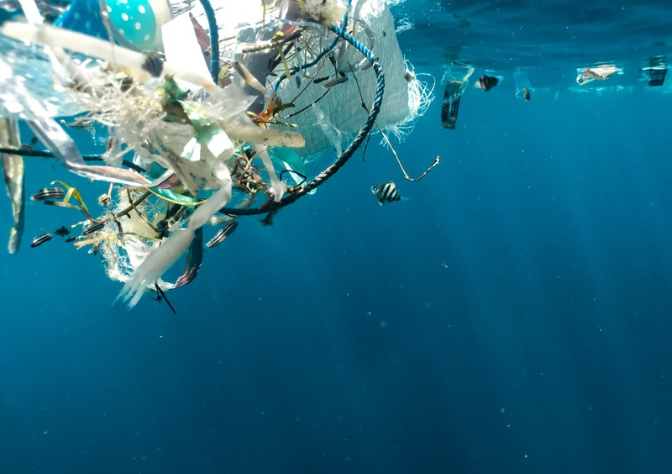
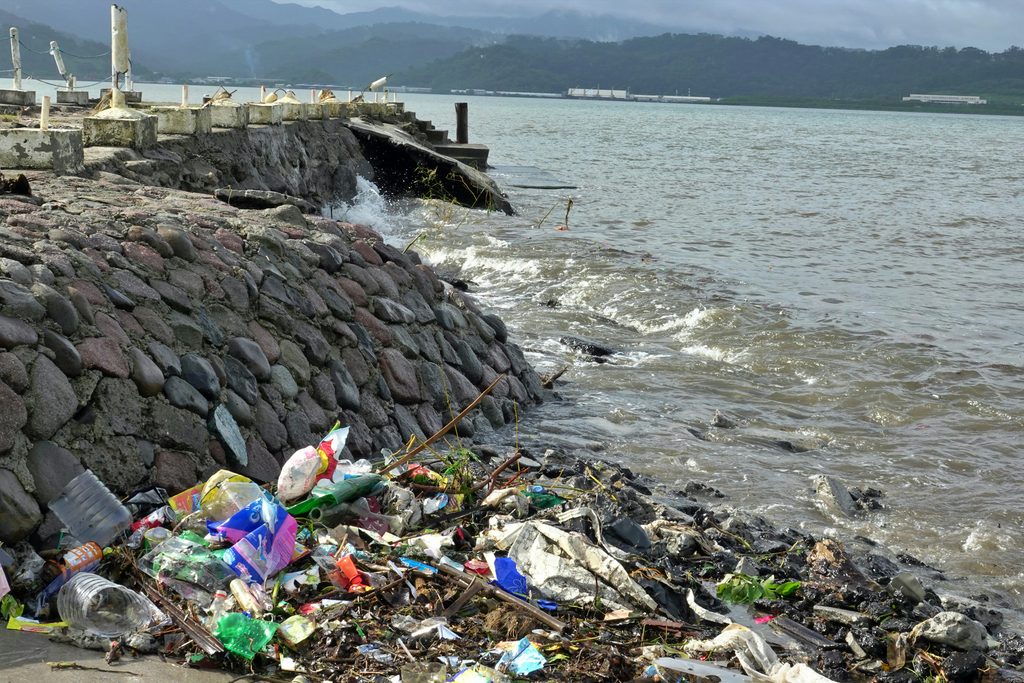
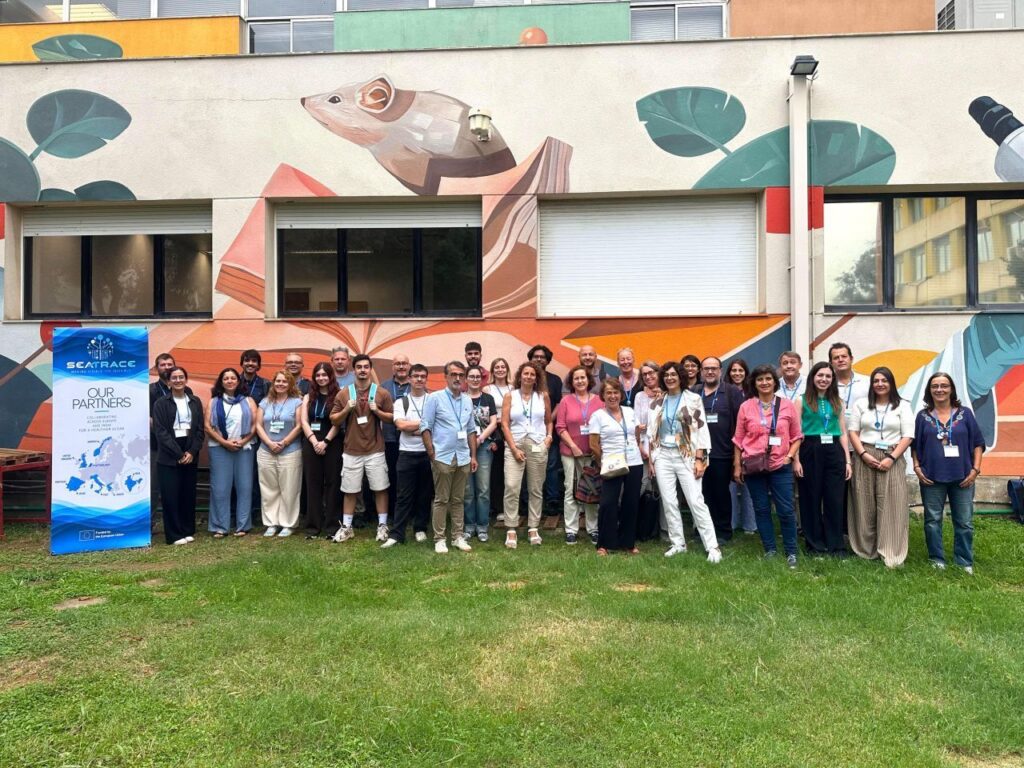
The Institute of Environmental Assessment and Water Research (IDAEA-CSIC) hosted the official kick-off meeting for SEATRACE on September 29th and 30th, launching an international effort to address the growing threat of complex marine pollutant mixtures in global waters.
Funded by the European Union’s Horizon Europe-India programme with a €10 million budget, SEATRACE brings together a consortium of 22 leading organizations from Europe and India. Under the leadership of IDAEA researcher Sandra Pérez Solsona, the project seeks to transform how scientists and policymakers evaluate the combined risks of chemical contaminants, plastic litter, and environmental stress on ocean health and human populations.
Mapping marine pollutants from the Artic to the Indian Ocean
Marine ecosystems face unprecedented pressure from multi-contaminant “cocktails”. SEATRACE will investigate these complex mixtures across diverse coastal environments, including the Atlantic, Arctic, and Indian Oceans, as well as the Mediterranean Sea.
“Our main goal is to understand how complex chemical cocktails threaten marine life under the stress of climate change” explains Sandra Pérez Solsona, IDAEA researcher and SEATRACE coordinator.
“To achieve this, we are combining cutting-edge tools, from aquatic sensors and drones to advanced bio-chemical analysis, to map hazardous pollutants and measure their real cumulative impact on ocean ecosystems.”
A central innovation of the initiative is the integration of monitoring tools with effect-based methods (EBM) and effect-directed analysis (EDA). This methodology allows researchers to pinpoint toxic components within chemical mixtures and identify ecological risk hotspots, greatly enhancing the precision of risk assessments.
Having started on September 1, 2026, for a 4-year duration, SEATRACE focuses over its lifecycle on delivering three core outcomes:
- Advanced monitoring suite: Deploying passive samplers (chemical, physical and biological), optical sensors, and drones. Bacterial and human cell-based New Approach Methods (NAMs) for toxicity evaluation alongside EBMs/EDA protocols.
- Evidence-based policy tools: Developing robust quantitative models to guide risk assessment and environmental policy at both local and international levels.
- Harmonized governance: Fostering long-term strategic EU–India cooperation for effective and standardized protection of marine ecosystems and public health.
EU-India cooperation and food safety
SEATRACE bridges scientific research and practical environmental solutions through strong EU–India collaboration. Indian consortium partners will implement innovative pilot projects aimed at reducing marine plastic waste at critical hotspots, integrating waste recycling methods to meet national environmental targets across the seawater management value chain.
Additionally, the project directly addresses human exposure to seafood-borne pollutants. By evaluating how marine pollutant mixtures transfer into the human food chain, SEATRACE aims to establish actionable strategies to enhance seafood safety, protect public health, and bolster trust in local and international fisheries.
This project has received funding from the European Union’s Horizon Europe research and innovation programme under grant agreement No 101291975.