An IDAEA study contributes to the lawsuit regarding the “flares of death” case in Ecuador
55 houses
The evidence
Ruling in favour
The challenge
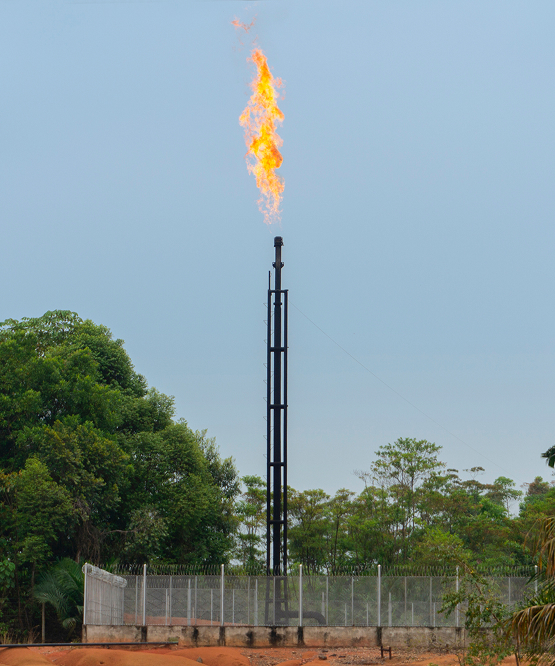
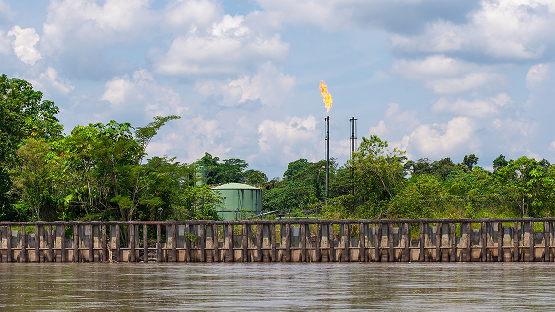
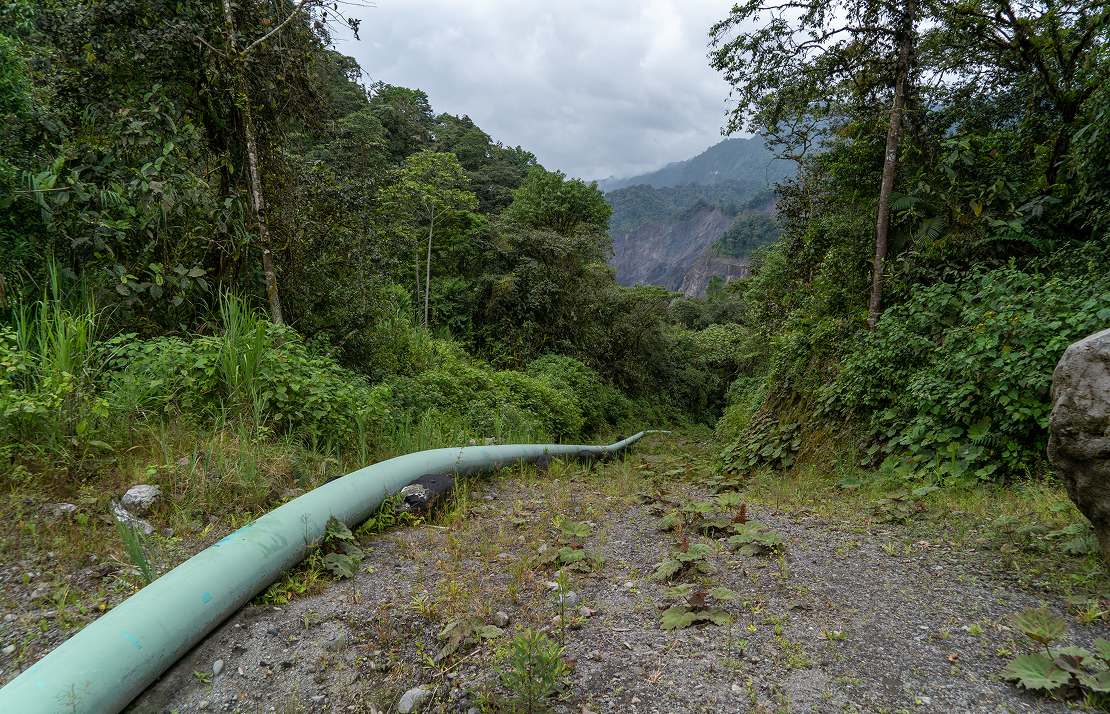
For over 50 years, oil extraction in the Ecuadorian Amazon has involved the continuous flaring of gas near indigenous and rural communities. Extracting oil releases a series of gases that are eliminated by burning them in facilities known locally as “mecheros” (flares). There are 486 gas flares in the Ecuadorian Amazon, burning at around 400 °C 24 hours a day, all year round, with many located in residential areas. The emissions from this combustion contain toxic carcinogenic compounds, as well as heavy metals and sulphuric acid, which harm human health and the environment.
As a consequence, the local population has the highest cancer rates across the entire American continent. That is why residents know them as “los mecheros de la muerte” (the flares of death)
Given the growing concern over the impacts of oil activity, social organisations such as the Union of People Affected by Texaco Oil Operations (UDAPT) and Amazonian communities had spent years reporting the pollution generated in wells, waste pits, and by gas flares. In 2020, nine young girls from the Ecuadorian Amazon filed a lawsuit against the Ecuadorian Government and the state-owned company Petroecuador to demand an end to this practice and the protection of their fundamental rights.
IDAEA’s contribution
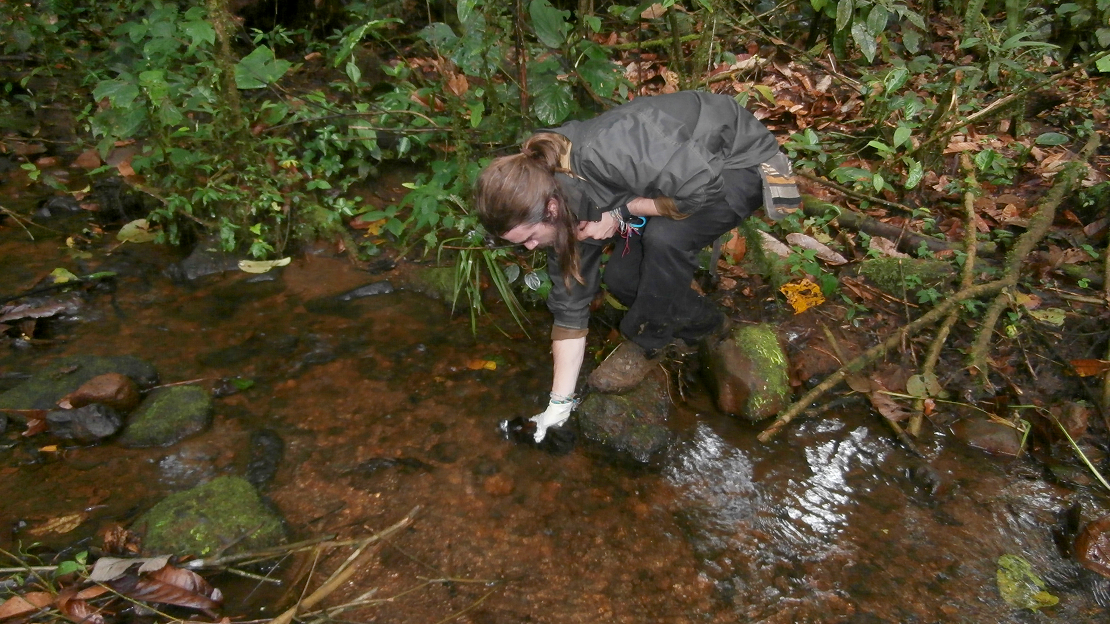
In 2017, PhD candidate Miguel Velázquez-Gómez and researcher Sílvia Lacorte set out to investigate the pollution associated with oil activity in the Ecuadorian Amazon.
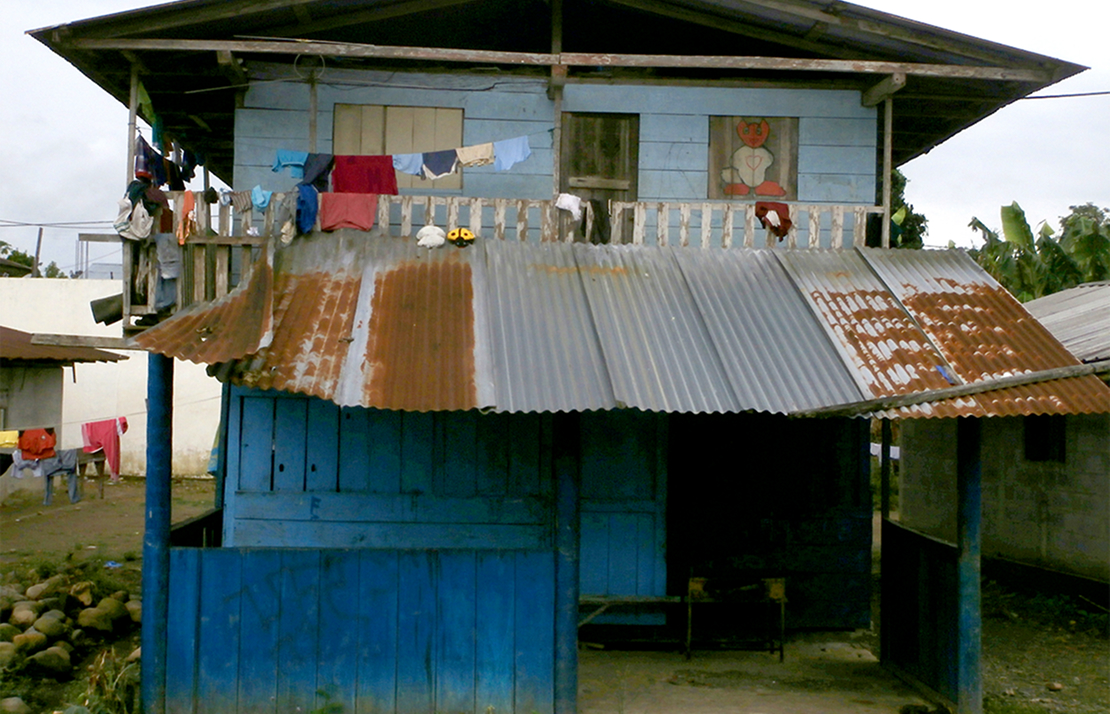
The study collected dust samples from 55 homes located near these flares and detected the presence of polycyclic aromatic hydrocarbons (PAHs), among others, which are combustion products with harmful effects on human health. The 16 priority PAHs established by the US Environmental Protection Agency were analysed, as they are the most dangerous, persistent, and bioaccumulative due to their high carcinogenic, mutagenic, and teratogenic potential. Plasticisers (chemical compounds associated with plastic) such as phthalates, organophosphate esters, alkylphenols, and bisphenol A were also analysed, along with other pollutants: nicotine, organochlorine and organophosphate pesticides, and polychlorinated biphenyls.
Around 50% of the samples contained PAHs originating from the burning of natural gas in the flares. Furthermore, a correlation was found between the quantity of these hydrocarbons detected in each home and its average distance to the nearest flare
Additionally, the researchers carried out a toxicity assessment of these samples and found that 86% of the sampled areas posed a high risk, and that the cancer risk for children aged 0 to 16 exceeded the level considered acceptable by the US Environmental Protection Agency and the World Health Organization (WHO).
“The results showed that infants, children, and adolescents faced the highest cancer risk because they crawl, play on the floor, and ingest more dust accidentally,” explains Miguel Velázquez.
In addition to ingestion, dermal absorption, and inhalation of these toxic compounds through the studied dust, the risk was heightened by water and food contamination, as rainfall carries these substances into the soil.
From research to justice
The results of the study were subsequently incorporated into the so-called ‘Caso Mecheros’ (Gas Flares Case), one of the most significant legal actions concerning oil pollution and environmental rights in Latin America.
Miguel Velázquez participated as an expert before the court via an Amicus Curiae brief, presenting the research findings to support one of the central arguments of the lawsuit: that pollutants emitted by the flares reached nearby homes and contributed to an increased cancer risk among the population. The IDAEA research formed part of a broader set of technical contributions during the court case provided by specialists in health, ecology, geography, and social sciences, all helping to substantiate the case.
Impact
In January 2021, the Provincial Court of Sucumbíos ruled in favour of the plaintiffs and recognised the violation of several constitutional rights, including the right to health, water, and a healthy environment. The ruling ordered the progressive elimination of flares located near human settlements, the execution of studies on the health impacts of oil activity on the population, environmental restoration measures, and improved access to drinking water for the affected communities.
The deadline set by the Court to eliminate flares near inhabited areas expired in March 2023, but the plaintiff organisations report that most of the ordered measures remain unfulfilled and that the number of active flares has even increased since the lawsuit was filed. Nor was the scientific-medical study carried out which, according to the ruling, the Ecuadorian government was required to conduct to assess the extent of the impact of hydrocarbon activity. Instead, a series of technical reports detailing still-unmet needs were used as justification of compliance with the sentence.
Following a consultation with UDAPT regarding the current status of the proceedings, they explain that they are still waiting for the ruling to be enforced: they urge the Ecuadorian State to carry out the aforementioned “more thorough and detailed study to better determine the impacts of hydrocarbons on human health”. They also recommend that the State “apply the precautionary principle, meaning that until it is proven that there are no negative impacts on human health, the necessary precautions should be taken to prevent the population from continuing to be affected”.
This represents one of the major challenges of environmental justice: science can influence public policy and legal proceedings, but subsequent implementation requires political and institutional will and integrity. In this case, facing a lack of governmental response, UDAPT has filed a non-compliance lawsuit before the Constitutional Court of Ecuador.
Despite this, the Caso Mecheros has become an international benchmark for environmental litigation and an example of how scientific research can help support the claims of communities affected by industrial pollution and strengthen accountability processes vis-à-vis public administrations and corporations.
Researchers involved


Collaborators