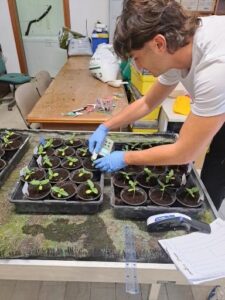
The BIORISK project focuses on the holistic evaluation of the impact of chemical and microbial micropollutants in the biosolid-soil-plant system. Biosolids, derived from sewage sludge, are widely used in agriculture as organic fertilizers due to their high nutrient content and role in promoting circular economy principles. However, their application may introduce emerging contaminants such as pharmaceuticals, heavy metals, and antibiotic-resistant bacteria into the soil, crops, and ultimately, the food chain. BIORISK aims to assess the risks associated with biosolid use in farming and explore innovative strategies to mitigate pollutant uptake, ensuring safe and sustainable agricultural practices.
The use of biosolids in agriculture presents both opportunities and risks. On one hand, they provide essential nutrients to crops, improve soil health, and reduce the need for synthetic fertilizers. On the other hand, biosolids may contain a mix of chemical pollutants (e.g., pharmaceuticals, pesticides, plasticizers, and heavy metals) and microbial contaminants (e.g., antibiotic-resistant bacteria and genes), which could pose risks to human health and the environment.
Currently, European regulations on biosolid use mainly focus on heavy metal content, leaving emerging pollutants unregulated. This knowledge gap makes it difficult to determine safe application levels and long-term impacts on soil, crops, and consumers. Without clear guidelines, farmers and policymakers lack the necessary tools to ensure food safety and environmental protection. BIORISK addresses these challenges by conducting comprehensive research to understand pollutant dynamics and develop mitigation strategies.
Funding: cofunded by the EU