

My research has focused on historical climatology, with over 20 public research projects and more than 15 research contracts with public authorities. The results of this work are reflected in over 270 publications, including more than 80 in international scientific journals. This branch of climatology is dedicated to characterizing the climate based on qualitative records preserved in historical documents. It involves gathering information from historical archives and constitutes a truly interdisciplinary activity. In recent years, the work has emphasized the high-resolution temporal reconstruction of adverse hydrometeorological phenomena on the Iberian Peninsula over the past millennium. The study of floods, droughts, severe storms, and other extreme events has been conducted in collaboration with numerous European research groups, sharing methodologies and databases to better understand meteorological phenomena and low-frequency climate patterns. The AMARNA database established through this work now includes 5,367 episodes of pluvial and fluvial flooding and 1,837 episodes of drought, covering the period from 1035 to present. The remaining 4,462 episodes (out of a total of 11,666) consist of climate hazards associated with convective activity or severe weather (hailstorms, gales, marine storms), extreme temperature events (heatwaves and cold spells), and situations of social impact driven by environmental factors, such as plagues, epidemics, crop failures, or famines. AMARNA had surpassed 40,000 information records, all with traceable origins whether from printed bibliographic sources or manuscript documentary sources, all connected with climate changes.
A-Z Researchers
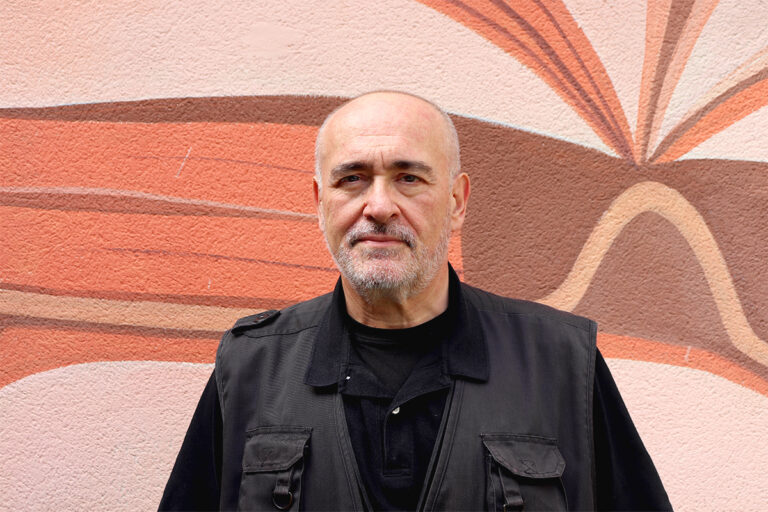
Mariano Barriendos
Permanent Researcher
- mariano.barriendos@idaea.csic.es
- 437794
- iD ORCID: 0000-0001-9220-1245


