

Water and soil pollution: management and reuse
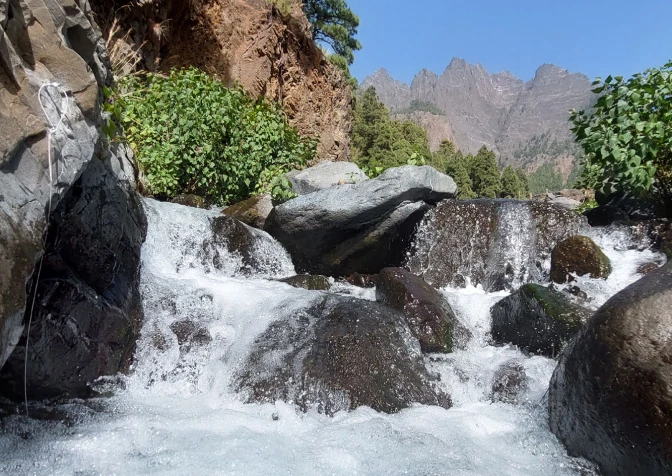
This research line aims to understand and predict the behaviour, transfer, and impacts of pollutants across interconnected terrestrial and aquatic systems under global change.
It contributes to:
- Environmental Chemistry
- Hydrogeosciences
This line of research explores the presence, fate and behaviour of pollutants in terrestrial and aquatic systems (freshwater and marine ecosystems). Using an integrated, interdisciplinary approach that combines state-of-the-art analytical chemistry, environmental engineering and systems science, we address Contaminants of Emerging Concern (CECs), including micro- and nanoplastics, nanoparticles, nutrient pollution and legacy pollutants.
We also investigate how pollutants move through interconnected environmental compartments, including groundwater, surface waters, the water-air interface and the soil-water continuum. This research examines how contaminants accumulate and are transferred through aquatic food webs, as well as their distribution in living tissues, with particular attention to compounds that can cross the blood-brain barrier and to mother-to-child transfer during pregnancy and breastfeeding.
Another key research area integrates environmental microbiology and exposomics to identify the microbial and chemical drivers of antimicrobial resistance in water systems and wastewater. This knowledge supports predictive antimicrobial resistance surveillance and the development of strategies to protect public health.
Coordinator

Marta Llorca Casamayor
Key Research Projects
SEATRACE
RIPPLE
Our team
The multidisciplinary team behind the science





















Our publications
Latest scientific contributions
A multivariate analysis and machine learning approach to assess the impact of climate change on water quality
Sustainable Water Resources Management — 2026 — DOI: 10.1007/s40899-026-01336-6
Do thermally activated foundations affect trace organic contaminant fate in urban aquifers? A case study from Barcelona
2026 — DOI: 10.5194/egusphere-egu26-10553
Drivers of Contaminants of Emerging Concern (CECs) concentration in aquifers and rivers of the Besòs basin (Catalunya, Spain)
2026 — DOI: 10.5194/egusphere-egu26-22052
Occurrence and fate of emerging contaminants in rural endorheic basins: insights from the Gallocanta Lake Basin (Spain)
2026 — DOI: 10.5194/egusphere-egu26-10091
Assessing Actual Groundwater Recharge under Climate Variability and Irrigation Pressure in the Upper Guadiana Basin (Central Spain)
2026 — DOI: 10.5194/egusphere-egu26-2301
